Updating to continue with your reservation
The landscape of the Delta de l'Ebre rice fields is not a static backdrop. It is a living environment that changes color dramatically throughout the year: a vast mirror of water in spring, a dense green blanket in mid-summer, and a golden sea just before the harvest. Anyone planning a visit to the Delta de l'Ebre rice fields in search of the postcard-perfect endless green and arriving in October will find newly harvested fields. That is why, to experience rice cultivation in Delta de l'Ebre in all its glory, knowing when to go is just as important as knowing where to look.
During July and August, the green reaches its most vibrant peak, stretching flat to the horizon and offering ideal lighting for photography at sunrise and sunset. Below, we break down the landscape's chromatic calendar, the best routes to explore the rice fields of Delta de l'Ebre, and essential practical tips to make your getaway perfect.
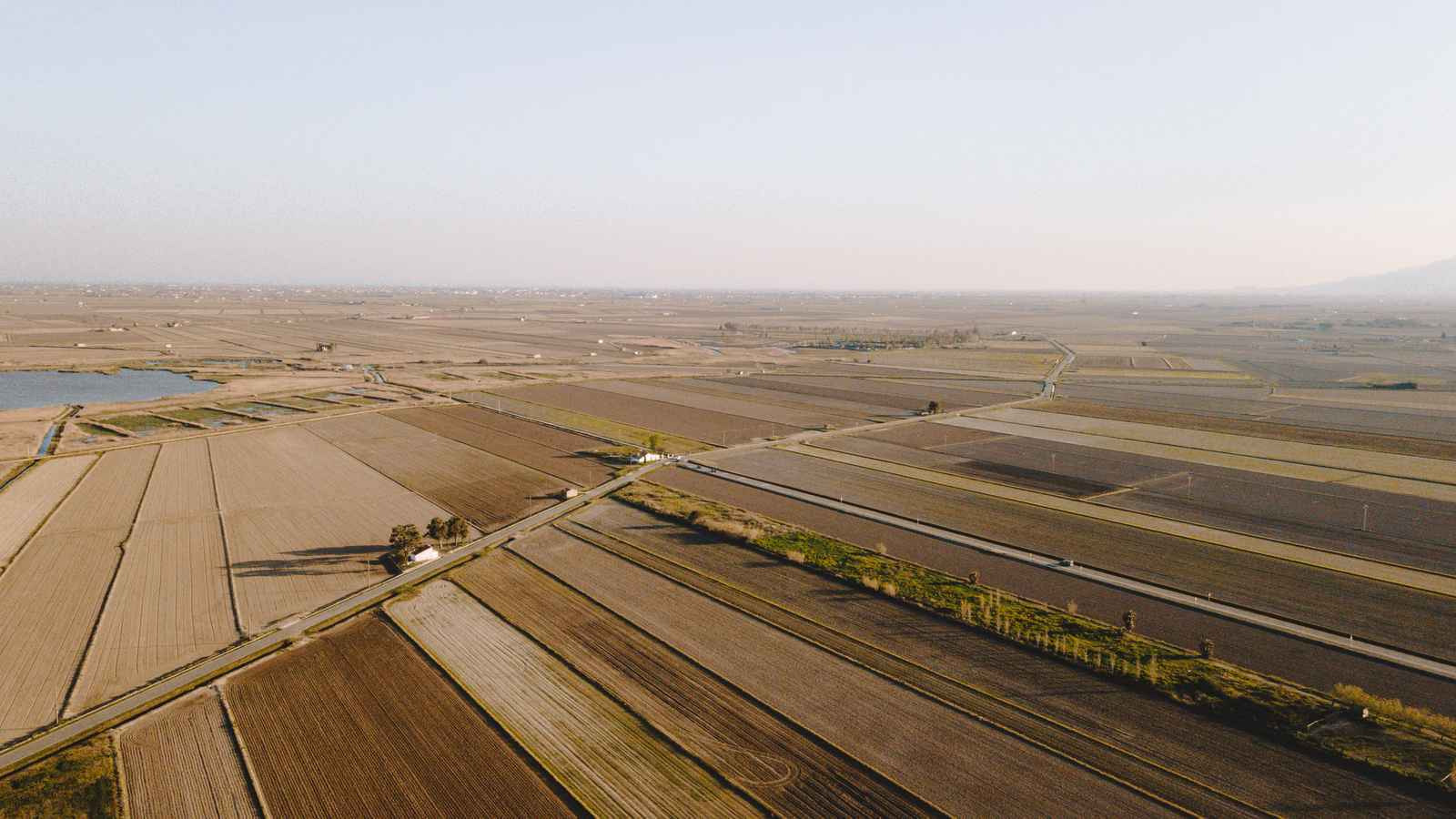
The rhythm of rice cultivation in Delta de l'Ebre dictates the transformation of the scenery. In spring, when rice is planted in Delta de l'Ebre, the fields are flooded and the entire region turns into a sheet of water reflecting the sky, creating the famous "mirror effect." As weeks pass, the crops sprout and the water gradually vanishes beneath a layer of lush vegetation. Mid-summer is when the rice fields reach their peak greenery. Towards late August, the rice ears mature, transitioning from green to golden hues until the rice harvest in Delta de l'Ebre takes place between September and October.
| Season | How the Delta de l'Ebre rice fields look | What to look for in the landscape |
|---|---|---|
| April - May | Flooded fields, mirror effect | Sky and mountain reflections at sunrise |
| June | Tender green, shoots emerging above the water | Contrast between young shoots and the sheet of water |
| July - August | Vibrant, dense, and flat green | The classic and most sought-after Delta postcard view |
| Late August - September | Golden, rice ears in full maturation | The "yellow sea" right before the harvest |
| September - October (Harvest) | Harvested fields, earth tones, and stubble | Flocks of birds feeding in open fields |
If you plan your trip in summer—when most travelers visit the region—you will experience the scenery at its visual peak. You don't need to hunt for hidden spots: the fields stretch right along the roadside as soon as you enter the natural park.
The rice fields of Delta de l'Ebre span both banks of the Ebro River, connecting the towns of Deltebre, l'Aldea, Amposta, and Sant Jaume d'Enveja. There isn't just one exclusive spot to admire them, but rather vast stretches where the terrain opens up without visual obstacles.
The rural roads linking Deltebre with l'Aldea offer spectacular panoramic views with the inland mountain ranges as a backdrop. Meanwhile, the southern area around Sant Jaume d'Enveja features agricultural tracks where the green carpet fades into the horizon with hardly any buildings around. Instead of parking in just one place, the best way to enjoy them is to drive slowly along these secondary roads, taking in how the light shifts over the plots. Additionally, these flat paths are ideal for cycling; if you'd like to combine nature and pedaling, check out the detailed routes in our Delta bicycle route guide.
For those looking to gain height and view the geometric layout of the plots from above, the viewpoints of Delta de l'Ebre offer privileged vantage points over the landscape:
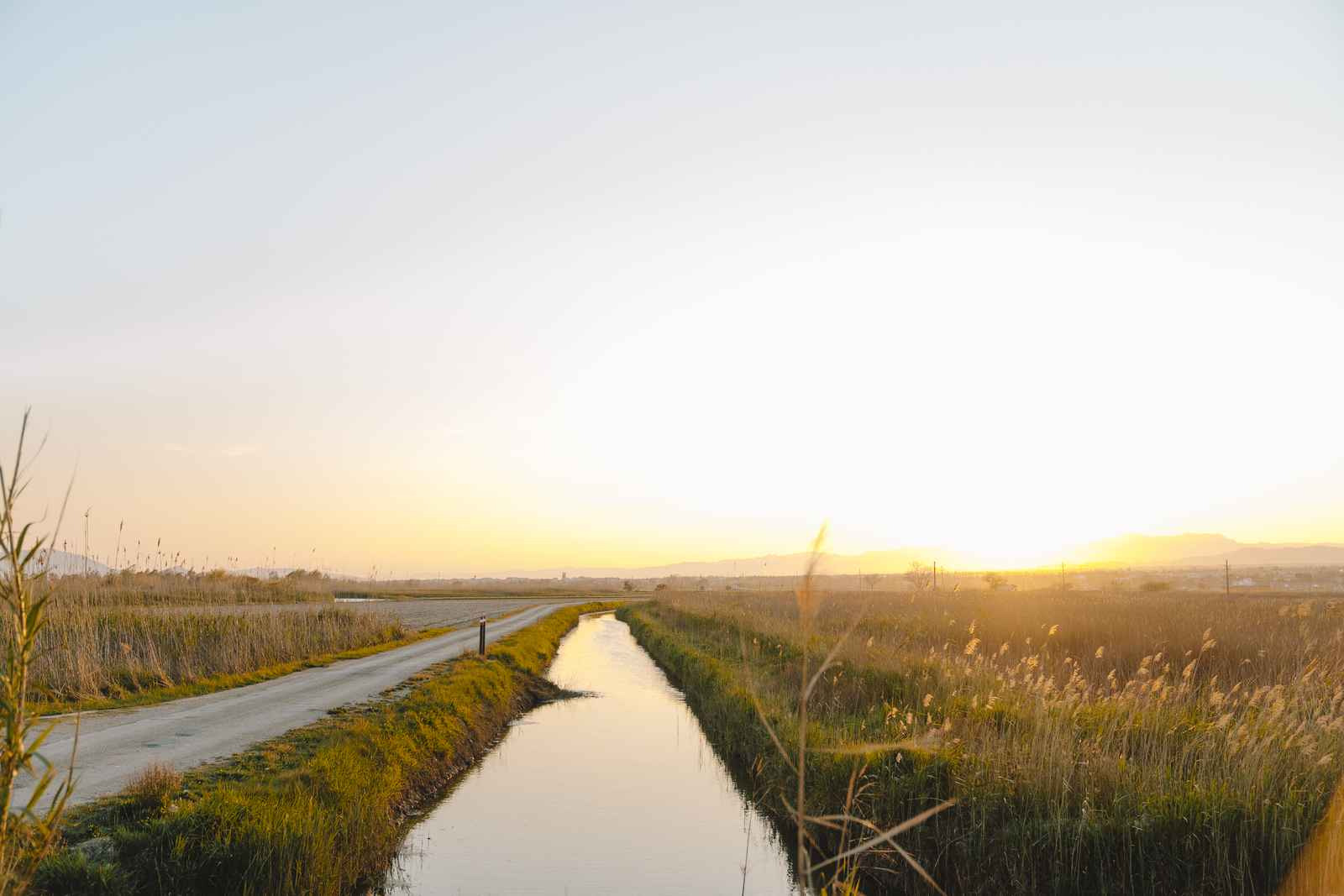
The appearance of the Delta de l'Ebre rice fields changes dramatically depending on the time of day. At midday during summer months, the harsh vertical light flattens the intense green and intensifies the heat. Conversely, early morning hours and late afternoon completely transform the setting. As the sun drops, low light highlights the plant textures and dyes the irrigation canals in golden and reddish tones.
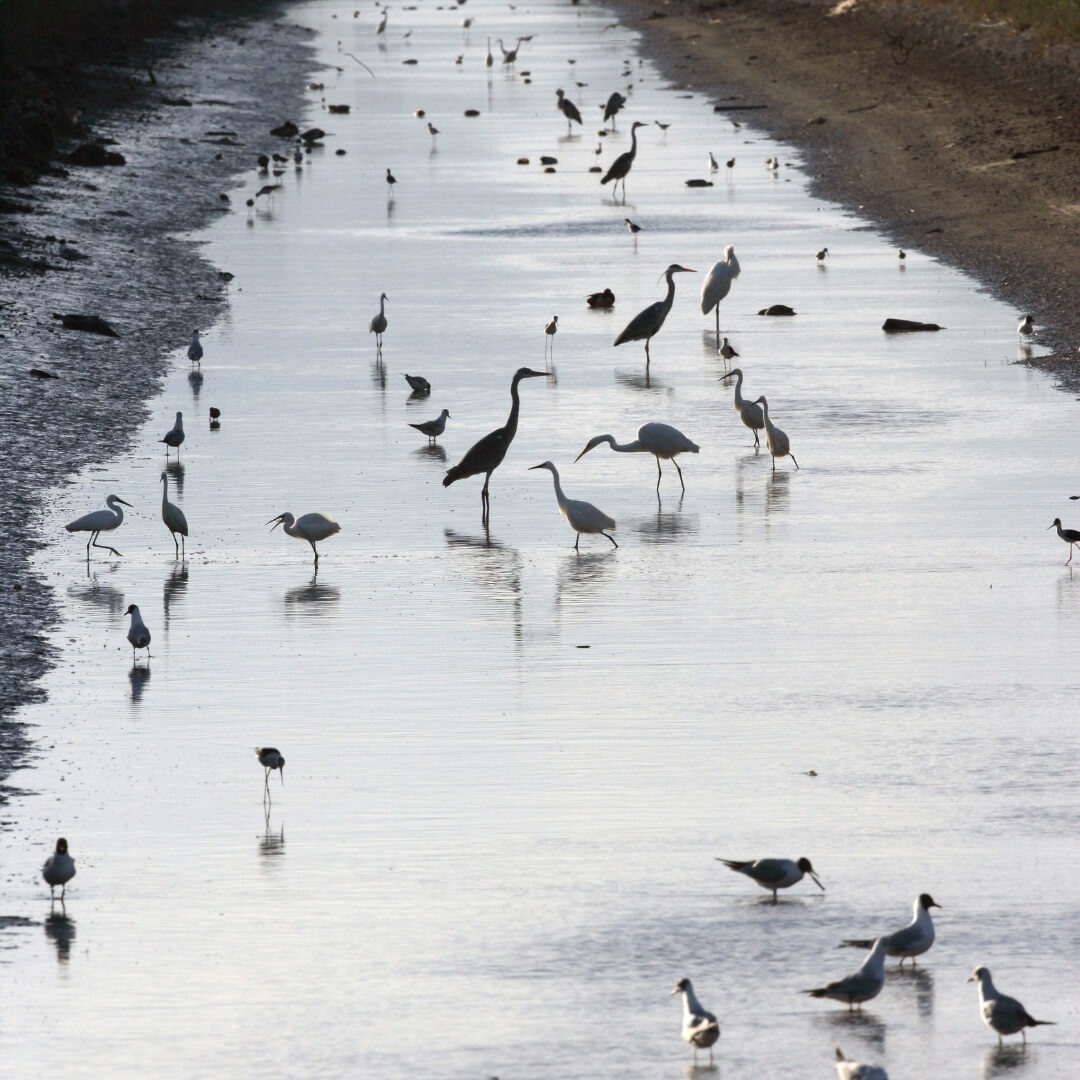
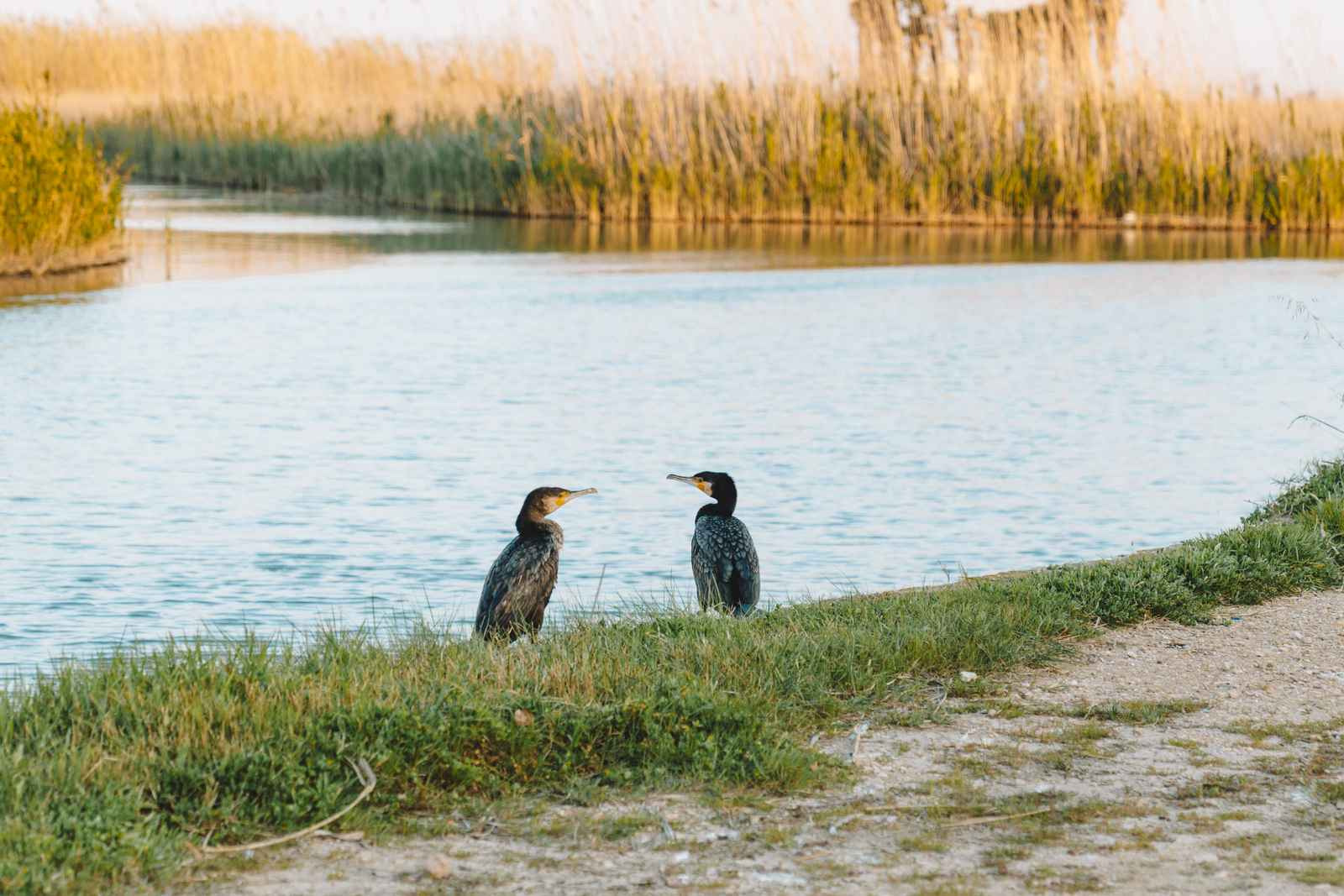
Sunrise provides a peaceful atmosphere, perfect for spotting herons and egrets moving through the vegetation. Late afternoon is more convenient for family trips, though it requires taking a few basic precautions for this natural environment into account.
Like any vast wetland ecosystem, a visit to the Delta de l'Ebre rice fields requires a bit of preparation. At dusk, especially near standing water in summer, mosquito activity increases. It’s easily managed with basic preparation: bring insect repellent and, if you plan to stay outdoors during sunset, wear lightweight long-sleeved clothing.
Additionally, shade is virtually non-existent among the agricultural plots. Since it is a flat, open landscape, it is best to avoid long walks during peak sun hours and always carry water, a hat, and sunscreen. The rice fields are best enjoyed comfortably during soft light hours.
A tour through the rice fields naturally pairs with the local cultural heritage and rich biodiversity. Between fields, you'll spot traditional country huts, intricate canal networks, and—with binoculars—impressive bird concentrations. To dive deeper into birdwatching, check out our guide on seeing flamingos in Delta de l'Ebre.
Furthermore, the grain grown in these lands is the undeniable star of local gastronomy. If you are wondering where to eat authentic rice in Delta de l'Ebre, you can set out on an unforgettable gastronomic route through Delta de l'Ebre discovering regional specialties, or enjoy a meal right by the beach at Bama Restaurant, ideal for tasting traditional recipes made with locally sourced ingredients.
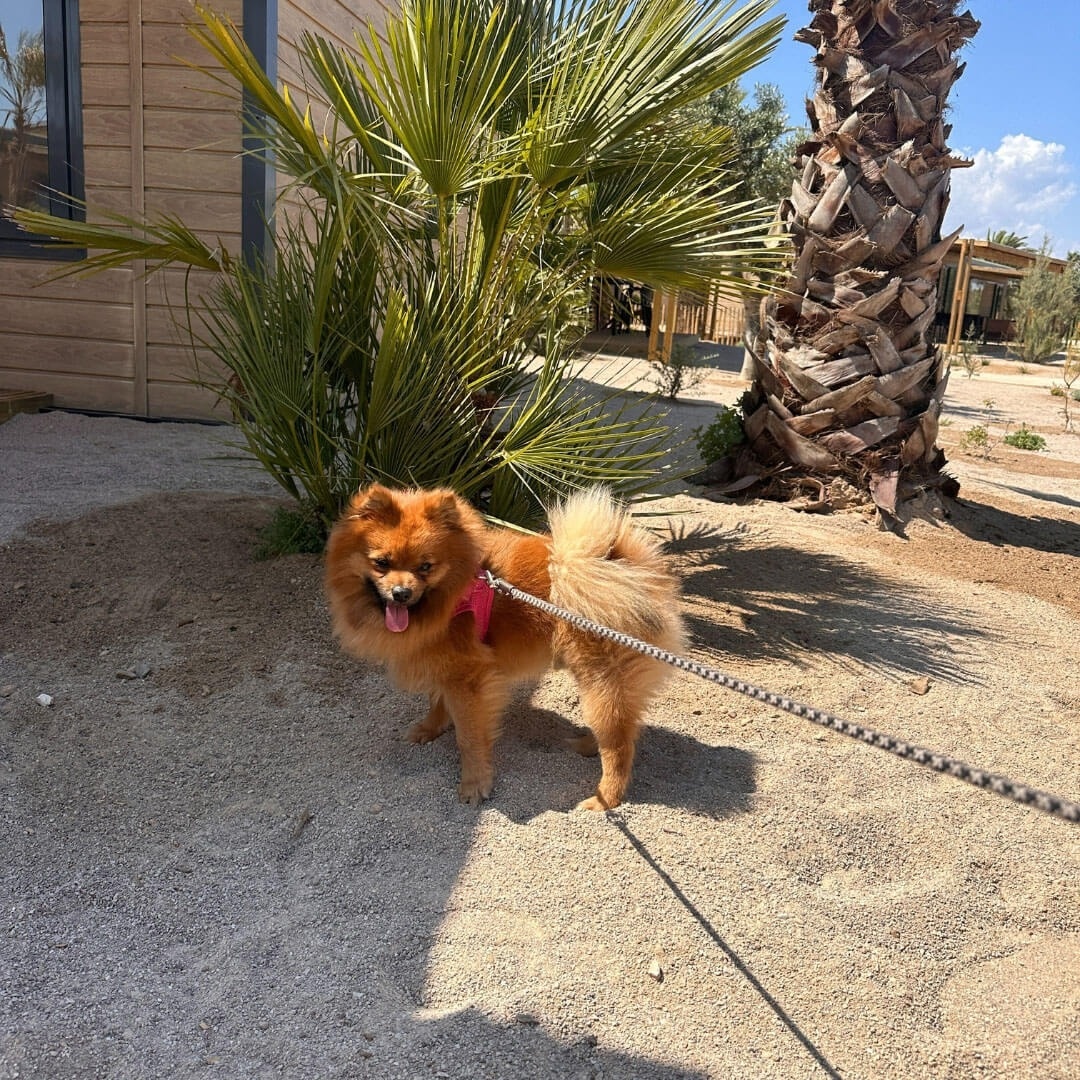
For pet owners, the rural roads winding through the rice fields are flat, quiet, and see very little traffic outside farming season. They offer a very pleasant setting for walking your dog, provided you stay on designated paths and respect the cultivated fields.
Having a comfortable base camp right within the natural park completely elevates your stay. Staying right next to the fields lets you head out to photograph the Delta de l'Ebre rice fields during golden hour without long car rides, returning easily to rest or enjoy the pool during the hottest hours.
TAIGA Delta de l'Ebre is strategically located just minutes away from the main fields, lagoons, and beaches. Check availability for your getaway and secure your accommodation right in the heart of nature.
Are you not part of the club yet?
Sign up and enjoy the exclusive benefits of being part of our loyalty program by booking on the official website.
Know moreRecover my password