Intro
Almost everyone trying kitesurfing or Wind Foil for the first time goes through two things. The first is not really knowing what to book (one hour, one day, three days, a week?).
The second is not daring to ask the obvious: what happens if there is no wind that day, what if the water is scary, can you learn with no previous experience? This post answers those questions, with no sales pitch and no strings attached.
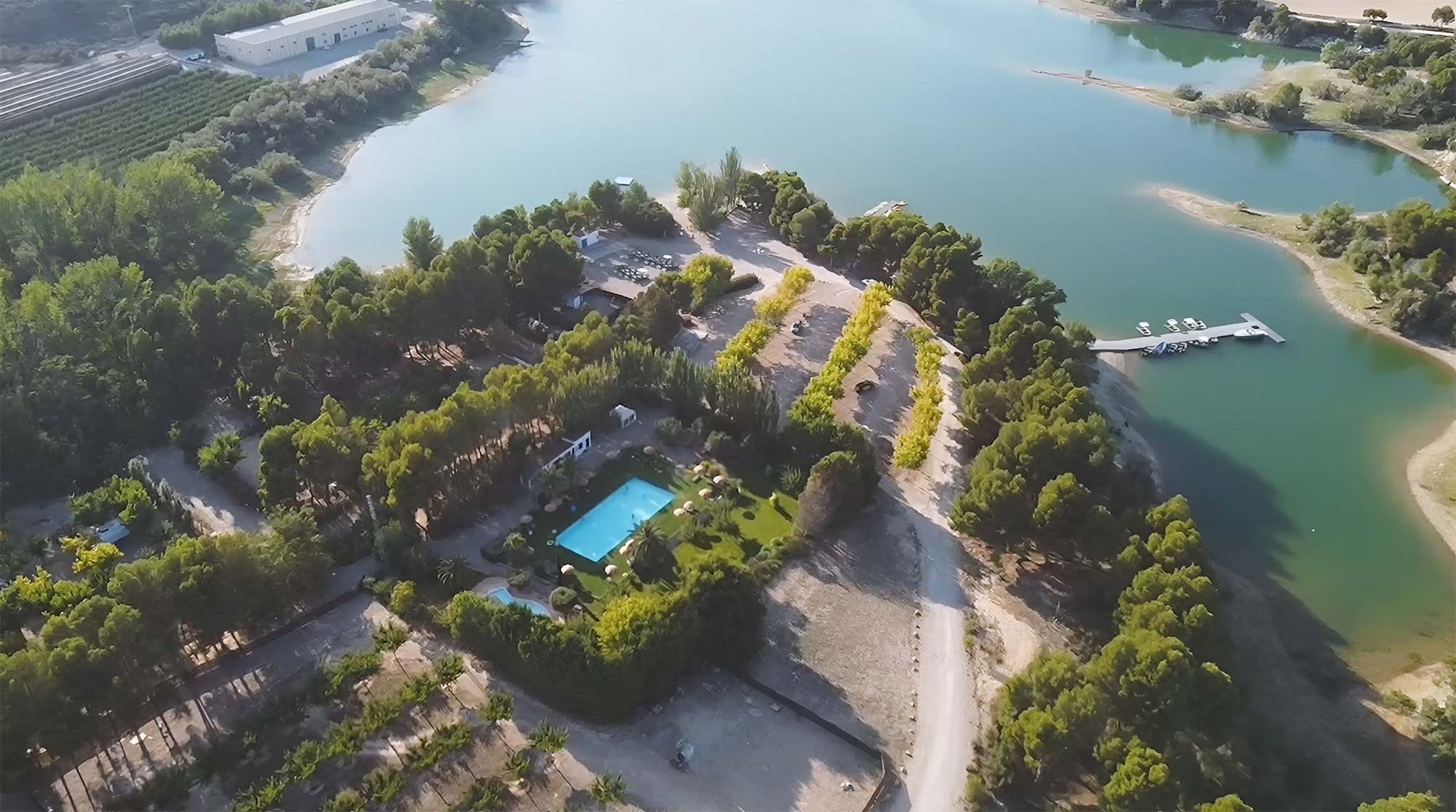
At TAIGA Valdevaqueros we have a Kite Surf and Wind Foil school inside the campsite itself, so the process is straightforward: sleep, have breakfast, walk 200 metres, start.
Tarifa, the place where learning makes sense
Tarifa is the European capital of kitesurfing for one specific reason: the wind. Between the levante (from the east) and the poniente (from the west), the days with usable wind are around 250-300 a year. Valdevaqueros beach, in particular, is the iconic spot of the area because it combines steady wind, wide sand (for rigging the kites with space) and relatively flat water in the learning zone.
That means one thing: the chances that your first day has class-worthy conditions are much better here than anywhere else on the Peninsula.
How many days you need to get started
The honest answer depends on your goal:
- Just trying it to see how it goes: 1 day (2-3 hours).
- Finishing the week riding without an instructor: 4-5 full days.
- Going out and planing with real autonomy: 7-10 days.
The myth of “you learn in a weekend” is marketing. In two days you can get hooked on the sport and learn the basics. Going out alone and getting back to the starting point without being rescued takes more hours than people think.
What the first lesson is like
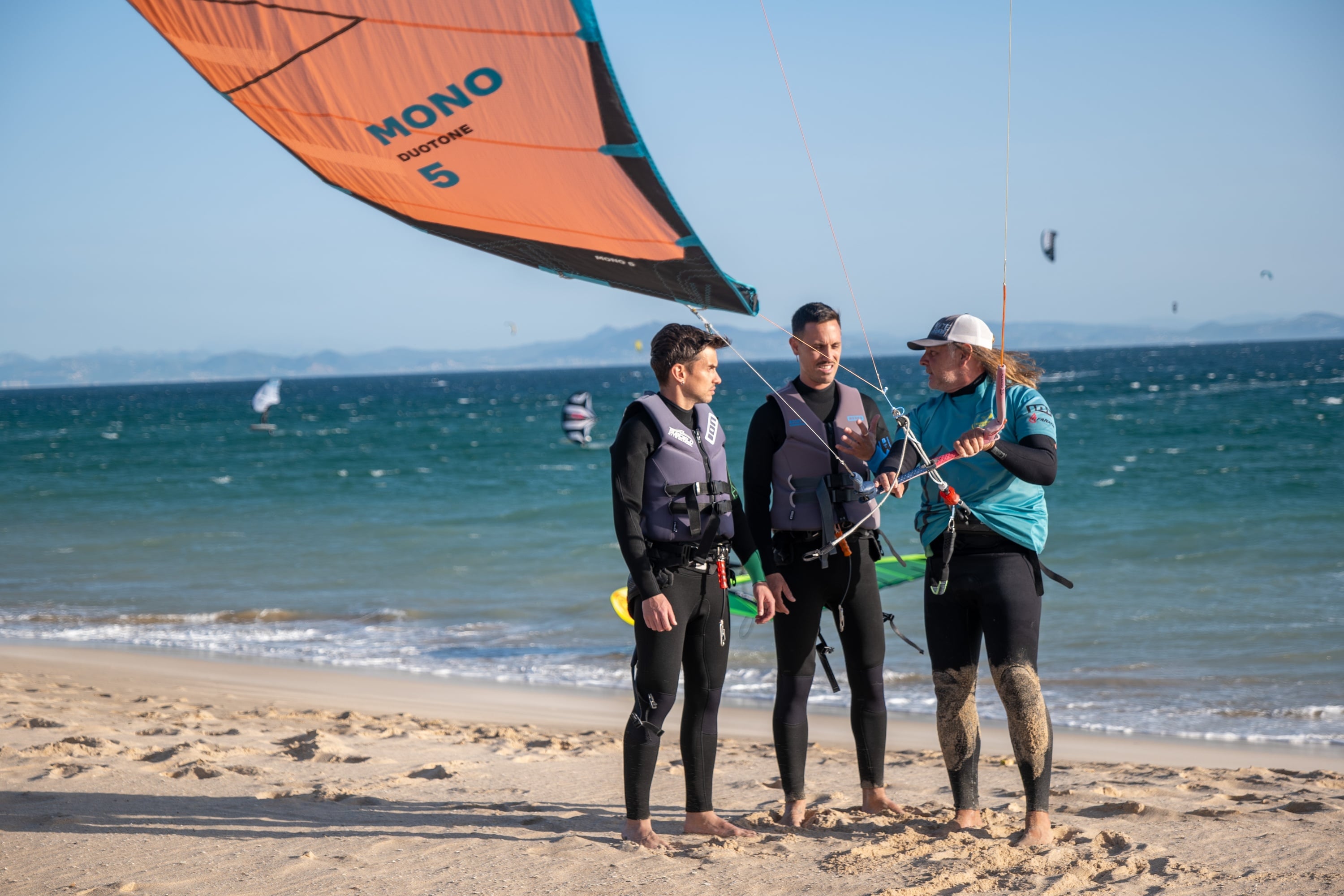
The first lesson does not take place in the water. It takes place on the sand. They explain the wind, what the “window” where the kite moves is, how you control the power and how to release it in an emergency. Then you fly a small kite on the sand to get a feel for it.
The water part comes the next day (or in the afternoon if the wind holds). You start with a body-drag: you let the kite pull you without a board, to learn to control direction. Once you master that, the board arrives. And when you manage to stay up for three seconds in a row, the smile never leaves.
What happens if there is no wind
It happens, especially in September and between storms. If you book a week of kiting and there is no wind for two days, the school usually moves those days to the following week or refunds the amount. The important thing: do not get frustrated. Tarifa is Tarifa because of the wind, but also because of the beach, the beach bars, the whales in the Strait and the dunes of Bolonia. There is a plan B.
What happens if you are afraid of the sea
The most normal thing in the world, especially if you do not swim well or have never done a water sport. The good news: in the learning zone of Valdevaqueros the water has a sandy bottom and stays shallow for many metres. The feeling of being out of control is very contained. If you float with the vest they give you, you are fine.
Warning: you need to be able to swim at least a little. You do not need to be a swimmer, but you do need not to panic in salt water.
What to bring and what you get
You get: kite, board, wetsuit, vest, harness, helmet.
Bring yourself: swimwear under the wetsuit, water-resistant sun cream, a cap for the sand part, sunglasses with a strap (they will definitely fall in the water without one), water and something to eat between the two hours.
Best months to start
May, June and September are the golden window for beginners. The wind is steady but not excessive, the water is no longer cold and the beach is not crowded.
Why do it from TAIGA Valdevaqueros
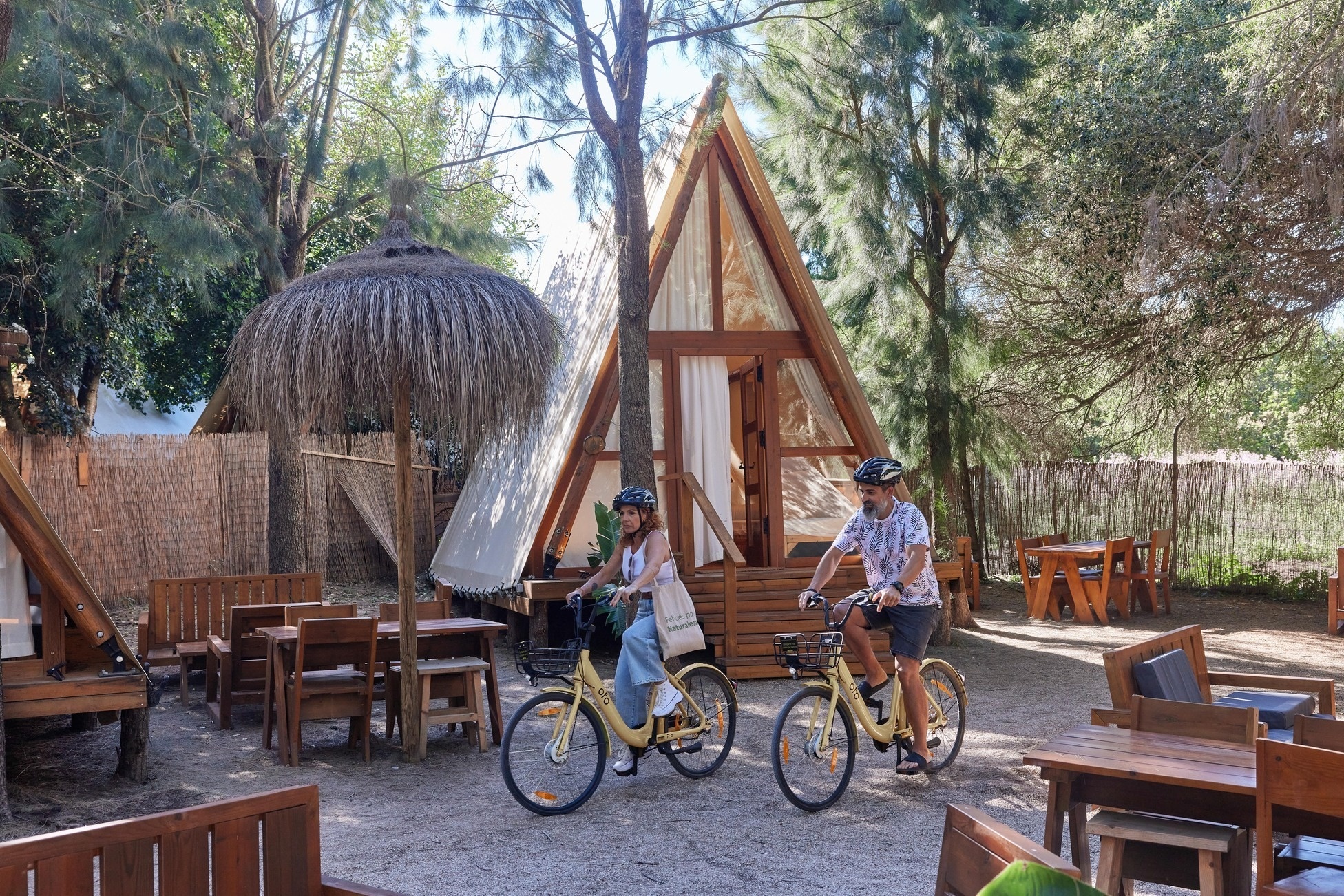
There is one single practical reason: the school is inside the TAIGA Valdevaqueros campsite. That means you do not waste 30 minutes every morning in the car, you do not look for parking in Tarifa, you do not carry a wet wetsuit in the boot. You get up, have breakfast, walk to the school office and go to class. In the afternoon, back to the bungalow, shower and dinner.
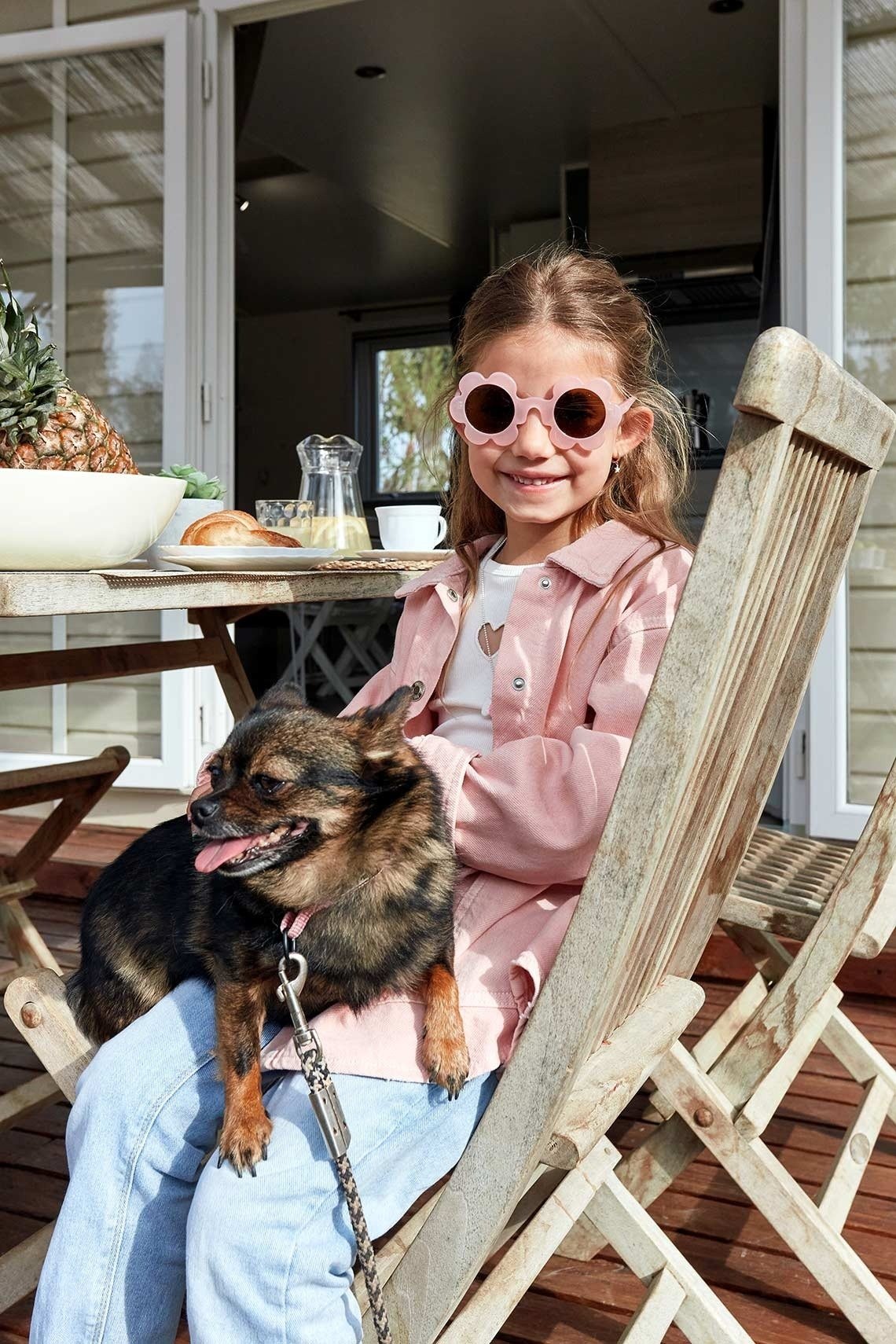
If you come with a dog, the campsite pitches and accommodation are pet-friendly. The dog can wait in the accommodation while you are in class.
FAQ
How many days does it take to learn kitesurfing?
For a first lesson to try it out, 1 day (2-3 hours) is enough. To finish a week riding with some autonomy, 4-5 days. To ride alone and plan, 7-10 days.
Is kitesurfing difficult?
The first phase (handling the kite on the sand) is affordable. The water phase (body drag and getting up on the board) is the most demanding. With a certified instructor and average conditions, the vast majority of people manage to stay up in 3-4 sessions.
When is there wind in Tarifa?
The usable wind season in Tarifa runs from March to November, peaking in summer. To learn, the best is May-June and September, when the wind is steady but not excessive.
CTA
At TAIGA Valdevaqueros the kite and Wind Foil school is inside the campsite itself, so from the bungalow to the lesson is 200 metres. Check accommodation + lesson packs.